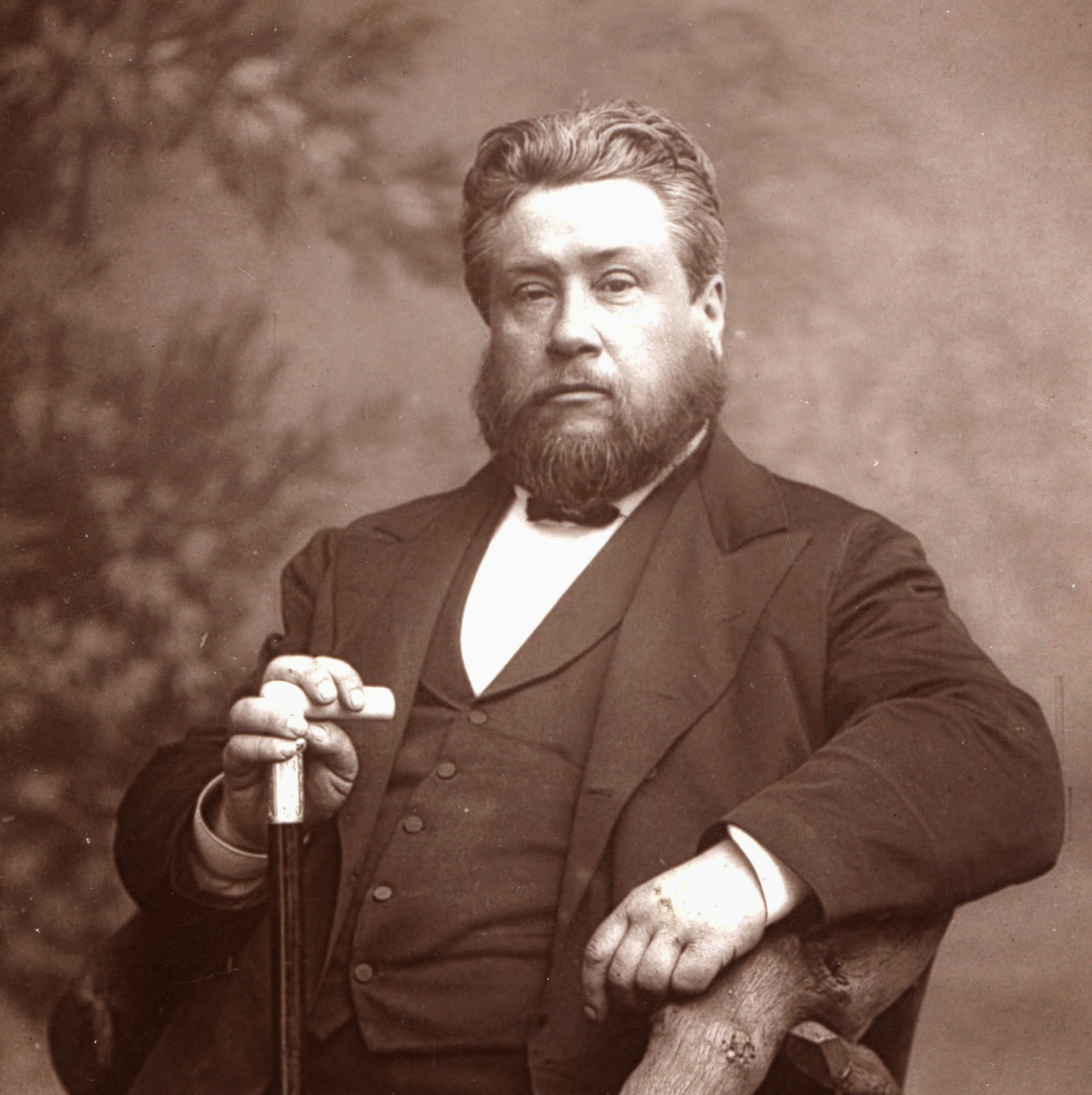
There is a spiritual “disconnect” that occurs with many Christians. I’ve experienced them and so have others. This article goes into the disconnect of Charles Spurgeon.
Charles Spurgeon was not a weak man. He was not a shallow preacher. He was not a hypocrite standing behind a pulpit with a secret hatred for God. By almost every measurable standard, he was one of the greatest preachers to ever live. His sermons shook nations. His books filled libraries. His orphanages fed children. His college trained ministers. Even today, over a century after his death, his words still burn with conviction.
And yet, beneath the thunder of his preaching was a man collapsing under invisible weight.
That should make every believer stop and think.
Because if this could happen to a giant like Spurgeon, it can happen to any of us.
The danger is not merely false doctrine. Sometimes the greater danger is intellectually understanding the promises of God while never fully walking in them. A man can preach peace and still live internally in pressure. He can teach faith while his nervous system remains trapped in survival mode. He can proclaim Sabbath rest while secretly believing everything depends on him.
That tension appears all throughout Spurgeon’s life.
He suffered deeply from anxiety, depression, exhaustion, gout, inflammation, chronic pain, and what many today would identify as trauma from the Surrey Gardens disaster. He carried overwhelming responsibility for thousands of people, orphanages, schools, publishing operations, and ministries. He constantly worked. Constantly wrote. Constantly preached. Constantly carried burdens.
And slowly, the burden began carrying him.
This is not written to dishonor him. It is written because many believers are following the exact same path while quoting the exact same Scriptures.
Spurgeon knew the Bible intellectually better than most men who have ever lived. But knowledge alone does not automatically renew the mind. A man may know verses about peace while still meditating on pressure. He may preach about God’s provision while internally living as though the entire kingdom rests on his shoulders.
That disconnect is subtle. Dangerous. Common.
Scripture says:
“And be not conformed to this world: but be ye transformed by the renewing of your mind…” (King James Bible, Rom. 12:2)
Transformation is not merely memorization. It is not merely sermon preparation. It is not merely theological agreement. The renewing of the mind implies replacement. Old patterns must be abandoned and new pathways built.
A man cannot constantly meditate on fear, scarcity, pressure, deadlines, survival, criticism, financial burden, and responsibility without those thoughts carving deep grooves into his thinking. Eventually the body follows the mind. Stress hormones rise. Inflammation increases. Rest disappears. Sleep weakens. The nervous system remains on alert.
The body keeps score of what the mind repeatedly rehearses.
Modern neuroscience calls this neuroplasticity. Scripture called it renewing the mind long before science had language for it.
The tragedy is that many believers unknowingly rehearse anxiety while verbally confessing faith.
Spurgeon’s life reveals how easy it is for ministry itself to become a vehicle of inward unrest. He loved people sincerely. That was never the issue. The issue was the crushing psychological burden of becoming the “single point of failure” for massive works that depended upon his constant output.
If he stopped preaching, money slowed.
If he stopped writing, support weakened.
If his body failed, institutions trembled.
Even his vacations often became extensions of his labor.
That is not Sabbath rest. That is survival with Bible verses attached to it.
Christ never commanded men to carry the kingdom upon their backs. Yet many leaders quietly do exactly that. They preach dependence upon God while internally operating on hyper-responsibility. And hyper-responsibility eventually turns into chronic mental strain.
The irony is painful. Spurgeon himself taught the importance of rest. He warned students not to overwork. He spoke beautifully about human limitation. Intellectually, he understood these truths.
But intellectually understanding truth and neurologically living inside that truth are not always the same thing.
That is the warning.
Many believers assume biblical knowledge automatically equals biblical transformation. It does not. Israel knew God’s promises intellectually and still died in unbelief in the wilderness. They saw miracles while internally remaining slaves in their thinking.
The mind can remain Egypt long after the body leaves Egypt.
That is why Scripture emphasizes meditation:
“Finally, brethren, whatsoever things are true, whatsoever things are honest, whatsoever things are just, whatsoever things are pure, whatsoever things are lovely, whatsoever things are of good report; if there be any virtue, and if there be any praise, think on these things.” (King James Bible, Phil. 4:8)
Notice the command is not merely “avoid bad thoughts.” The command is replacement. Direction. Deliberate focus.
The human mind cannot remain healthy while continually feeding upon pressure.
Spurgeon’s financial burdens especially reveal this tension. He was radically generous, perhaps more generous than most modern ministers could imagine. He viewed himself as a pipeline through which resources flowed to the needy. That is honorable. But generosity without sustainable stewardship can eventually produce hidden fear.
The orphanages needed funding.
The schools needed salaries.
The ministries needed support.
The people needed him.
And slowly the burden became internalized.
One of the most dangerous lies leaders believe is this:
“If I stop, everything falls apart.”
That belief sounds sacrificial. Sometimes it even sounds spiritual. But underneath it often hides a subtle form of self-reliance.
The kingdom of God is not upheld by one exhausted man.
Scripture says:
“Casting all your care upon him; for he careth for you.” (King James Bible, 1 Pet. 5:7)
Not some cares.
All cares.
Yet many believers cast their prayers upon God while keeping the emotional weight for themselves.
And eventually the nervous system breaks under contradictions the spirit was never meant to carry.
This does not mean every mental struggle is simply sin. The body is real. Trauma is real. Inflammation is real. Exhaustion is real. The brain is a physical organ affected by stress, sleep, diet, pain, and fear. Spurgeon’s gout and kidney disease unquestionably intensified his suffering.
But the opposite error is equally dangerous: treating the promises of God as abstract theology disconnected from the condition of the mind.
Scripture repeatedly connects thought life to transformation, peace, stability, and health. The Bible does not separate spiritual life from mental patterns nearly as much as modern culture does.
The issue is not condemnation.
The issue is alignment.
A believer can sincerely love God while still carrying thought patterns rooted in fear, scarcity, hyper-vigilance, trauma, prideful self-dependence, or pressure. And unless those pathways are replaced, they continue reinforcing themselves year after year.
This is why some believers know Scripture deeply yet live inwardly exhausted.
They have learned to preach promises without entering them.
And honestly, most of us are closer to this than we want to admit.
Pastors feel it.
Businessmen feel it.
Fathers feel it.
Caretakers feel it.
Mothers feel it.
Ministry leaders feel it.
The constant pressure to produce.
To maintain.
To survive.
To provide.
To hold everything together.
Eventually many Christians begin living as functional atheists emotionally while remaining doctrinally orthodox intellectually.
Their theology says God is Provider.
Their nervous system says survival depends entirely on them.
That contradiction slowly drains the soul.
Again, this is not written to diminish Charles Spurgeon. In many ways, his honesty about suffering may have helped millions of believers feel less alone. God used him mightily despite his weaknesses. Perhaps even through them.
But his life also stands as a warning flare across history.
Knowledge is not the same as renewal.
Preaching is not the same as rest.
Ministry success is not the same as inward peace.
Generosity is not the same as stewardship.
Working for God is not the same as trusting God.
If a man who shook nations with sermons could still quietly collapse under inward burdens, then every believer must honestly examine himself.
Not merely:
“Do I know the promises?”
But:
“Am I actually living inside them?”
Because eventually the mind believes what it rehearses most.
And many believers are rehearsing pressure far more than promise.