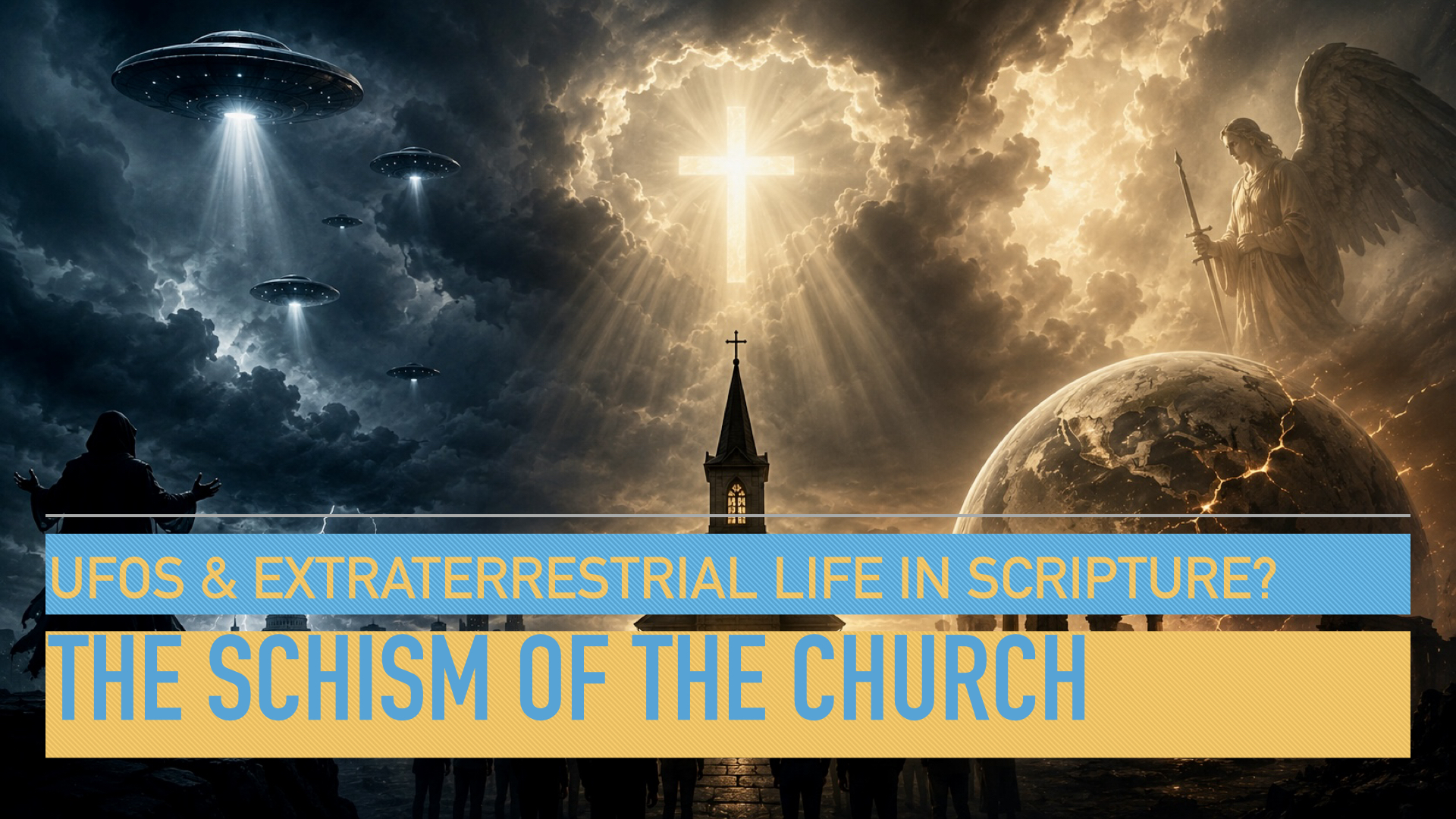
Alien Disclosure, Spiritual Deception, and the Battle for Biblical Discernment.
There was a time when conversations about UFOs, extraterrestrials, and unexplained aerial phenomena lived almost entirely on the fringes of society. Mentioning such things usually resulted in mockery, eye rolls, or accusations of conspiracy thinking. But something has changed.
Governments are releasing footage. Military officials are speaking publicly. Media outlets that once laughed at the subject now discuss “Non-Human Intelligence” with straight faces. Terms like UAP, disclosure, and NHI have entered mainstream culture. And perhaps most importantly, the subject has begun entering churches.
That is where things become spiritually significant.
The issue facing Christianity is no longer merely, “Are strange things being seen in the skies?” The deeper issue is this:
What happens when the church attempts to interpret these phenomena through theology?
Over the next few years, I believe Christianity could experience one of the most significant doctrinal fractures of the modern era—not over politics, worship styles, or denominations, but over the meaning of the UFO phenomenon itself.
And the divide may already be beginning.
The Three Emerging Christian Responses
As the disclosure movement continues gaining momentum, three broad theological positions appear to be forming.
Some are already highly visible. Others are quietly developing beneath the surface.
But all three have profound implications.
1. The Neo-Deceptionist Position
“Demonic Disclosure”
This position holds that the UFO phenomenon is not extraterrestrial at all, but spiritual in nature—specifically deceptive, malevolent, and connected to biblical warnings concerning lying signs and wonders.
Those holding this view point to passages such as:
“And no marvel; for Satan himself is transformed into an angel of light.”
— 2 Corinthians 11:14 (KJV)
And:
“Even him, whose coming is after the working of Satan with all power and signs and lying wonders,”
— 2 Thessalonians 2:9 (KJV)
To many Christians in this camp, the modern UFO narrative appears less like science fiction and more like a carefully unfolding spiritual deception designed to destabilize biblical truth and prepare humanity for a counterfeit worldview.
Some even believe the phenomenon may eventually be used to explain away:
- the supernatural,
- biblical miracles,
- angelic activity,
- or even future prophetic events.
This position will likely become increasingly dominant among conservative Christians because it fits naturally into existing biblical frameworks regarding:
- deception,
- spiritual warfare,
- counterfeit manifestations,
- and end-time confusion.
But there is an important warning here.
Christians holding this view must avoid becoming consumed by fear, paranoia, or sensationalism.
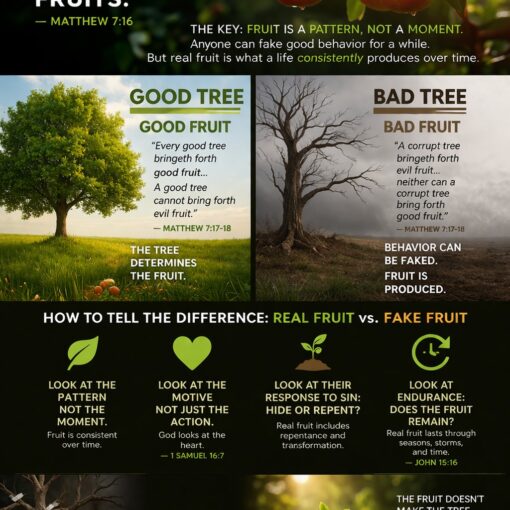
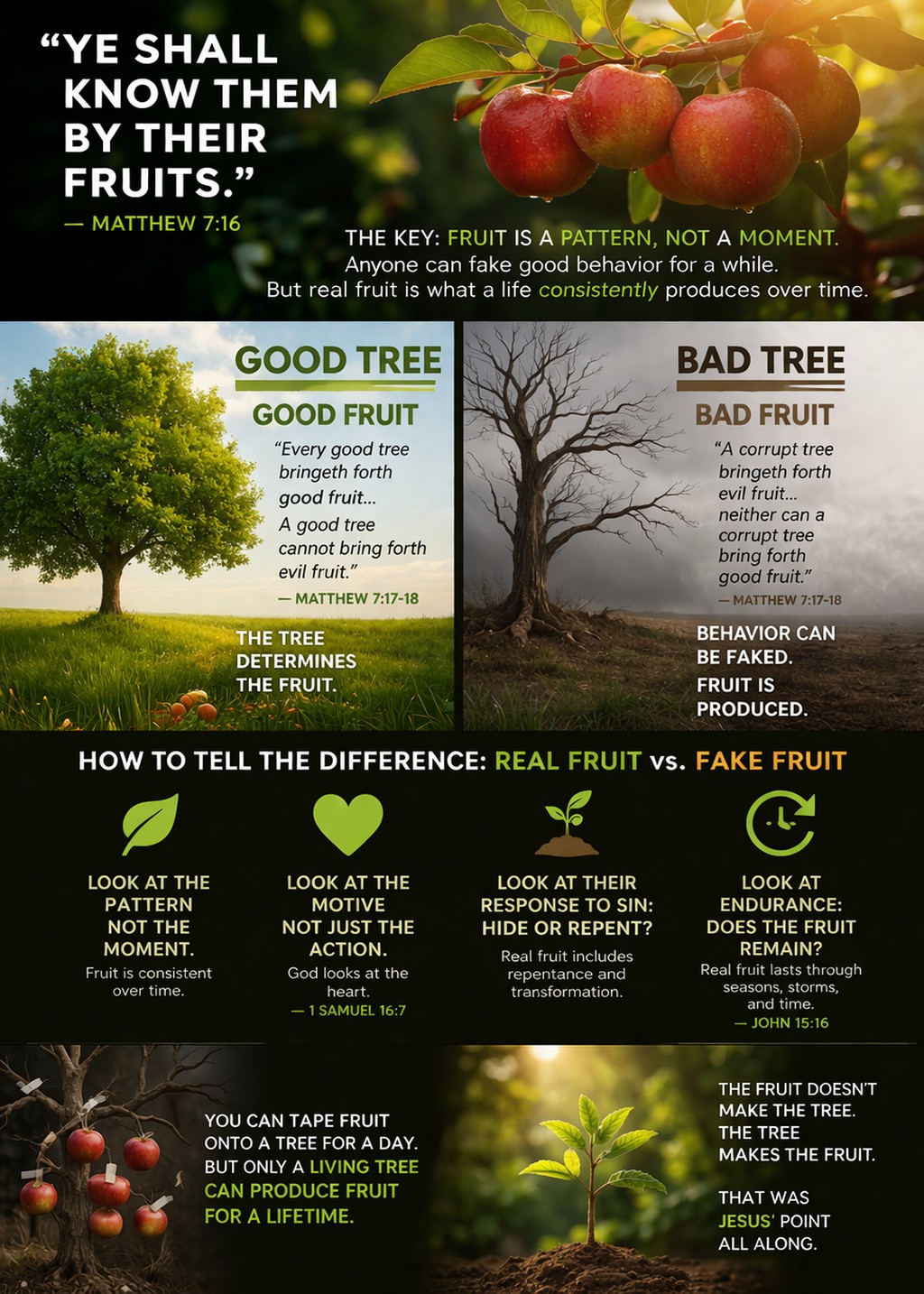
Not every unexplained event is automatically demonic. Not every blurry video is evidence of spiritual warfare. Scripture commands discernment, not panic.
“Prove all things; hold fast that which is good.”
— 1 Thessalonians 5:21 (KJV)
The church must not exchange sober biblical thinking for emotional speculation.
2. Exo-Theology
“Expanded Creation”
A second movement is emerging from a very different direction.
This position accepts the possibility that intelligent extraterrestrial life may exist physically somewhere within creation while still attempting to maintain Christian orthodoxy.
Advocates often point to passages like Colossians 1:
“For by him were all things created, that are in heaven, and that are in earth, visible and invisible…”
— Colossians 1:16 (KJV)
From this, some argue:
- God’s creation may contain other intelligent beings,
- Christ’s authority extends universally,
- and humanity may not be alone in creation.
At first glance, this can sound intellectually balanced and harmless. But problems begin emerging quickly.
The Bible’s redemptive framework is centered entirely around:
- Adam,
- humanity,
- sin,
- incarnation,
- and Christ becoming man.
Scripture never teaches:
- multiple fallen races,
- multiple redemption systems,
- or cosmic salvation programs for extraterrestrial civilizations.
Those ideas move beyond biblical revelation and into speculation.
Even more concerning, many people in this movement unknowingly commit a major logical error:
They assume that because something is unexplained, it therefore must be extraterrestrial.
But “unexplained” does not mean:
- alien,
- spiritual,
- divine,
- or interdimensional.
It simply means:
we lack sufficient information.
Critical thinking warns repeatedly against jumping from ambiguity to certainty. Human beings naturally seek complete narratives when faced with uncertainty.
And uncertainty surrounding UFOs has created a vacuum into which many people are now pouring theology.
3. Cosmic Gnosticism
“Ancient Astronaut Christianity”
This third category may ultimately become the most spiritually dangerous.
This position attempts to reinterpret the Bible itself through the lens of extraterrestrial intervention.
According to this view:
- angels were alien beings,
- Ezekiel’s wheel was a spacecraft,
- the pillar of fire was advanced technology,
- and biblical miracles were misunderstood encounters with non-human intelligences.
This is not merely reinterpretation.
It is reconstruction.
The problem is that Scripture itself does not describe these events as technological encounters.
Ezekiel explicitly states:
“This was the appearance of the likeness of the glory of the LORD.”
— Ezekiel 1:28 (KJV)
The text identifies the event as revelatory divine imagery—not machinery.
What makes this movement particularly dangerous is that it closely mirrors historical Gnosticism:
- hidden knowledge,
- secret interpretations,
- elite understanding,
- decoded religion,
- and mystical reinterpretations of Scripture.
It tells people:
“You were never taught the real truth.”
That kind of thinking is spiritually intoxicating.
Human beings are deeply drawn toward secret knowledge and hidden systems because uncertainty is emotionally uncomfortable. Psychology repeatedly documents humanity’s tendency toward:
- pattern-seeking,
- conspiratorial thinking,
- and narrative completion.
Once people begin viewing the Bible primarily through modern technological assumptions, they stop allowing Scripture to interpret itself.
Instead, modern culture becomes the interpretive lens.
That is a dangerous reversal.
The Real Danger Facing the Church
The greatest danger may not be UFOs themselves.
The greatest danger may be how Christians respond emotionally and intellectually to uncertainty.
Some will dismiss everything supernatural entirely.
Others will become consumed with sensationalism.
Still others will attempt to merge Christianity with speculative cosmology.
But Scripture repeatedly calls believers back to sobriety and discernment.
“Beloved, believe not every spirit, but try the spirits whether they are of God…”
— 1 John 4:1 (KJV)
Notice the balance:
- not blind acceptance,
- not blind denial,
- but testing.
That requires calmness.
It requires biblical literacy.
It requires resisting emotional manipulation from both secular culture and religious sensationalism.
Fear-driven movements tend to spiral into instability. Human psychology naturally amplifies fear narratives, especially when uncertainty dominates public discourse.
And social media accelerates this process exponentially.
The result is often:
- tribalism,
- paranoia,
- identity radicalization,
- and doctrinal instability.
Scripture Must Remain the Anchor
The church does not need UFO disclosure to validate Christianity.
The resurrection of Jesus Christ already stands at the center of the faith.
Christianity does not rise or fall based on:
- Pentagon footage,
- government admissions,
- leaked files,
- or unidentified aerial phenomena.
The danger is not merely deception.
The danger is allowing mystery to become more captivating than truth.
And that temptation has always existed.
The Apostle Paul warned believers repeatedly about:
- fables,
- speculative systems,
- and doctrines untethered from revealed truth.
The modern world is becoming increasingly obsessed with:
- hidden realities,
- cosmic narratives,
- secret knowledge,
- and supernatural spectacle.
But Christians must remain anchored to Scripture above all else.
Because the issue is not whether strange things exist.
The issue is whether believers will remain governed by the Word of God when fear, mystery, and speculation flood the culture.
“Be sober, be vigilant…”
— 1 Peter 5:8 (KJV)