The last time I taught, I spoke about the danger of developing a critical spirit. Cynicism, constant criticism, and negativity can slowly become part of our thinking if we are not careful. That message serves as the foundation for this one because before we can regain wonder, we must first deal with the attitudes that rob us of it.
In Matthew 18:1-4, Jesus answered His disciples’ question about greatness in the kingdom of heaven by calling a little child into their midst. He told them that unless they were converted and became as little children, they would not enter the kingdom. His point was not that Christians should be childish, but that there are qualities found in children that God values greatly: humility, trust, dependence, and wonder.
One of the great joys of my life right now is being a grandfather. Watching my grandchildren has reminded me how naturally children experience wonder. They find joy in simple things. They are curious, hopeful, trusting, and easily captivated by the world around them. Most adults can remember a time when they were like that too. Life seemed bigger. Possibilities seemed endless. Joy came more easily.
Then life happened.
Responsibilities increased. Disappointments accumulated. We experienced failures, heartbreaks, and frustrations. The world has a way of wearing people down. Constant exposure to negativity, conflict, fear, and criticism can slowly replace wonder with cynicism. We become more skeptical, more guarded, and less joyful than we once were.
The question is not simply what happened to our wonder. The more important question is whether God intends for believers to regain it.
I believe the answer is yes.
When we place our faith in Jesus Christ, Scripture tells us that we become new creations. The old has passed away and all things become new. God gives us a new heart, seals us with His Holy Spirit, adopts us into His family, and secures our future inheritance. Many Christians understand forgiveness and salvation, but often overlook the fact that God did far more than simply pardon the old person. He created a new person.
Because of that, believers possess resources that were previously impossible. We have a new heart, the indwelling Holy Spirit, the mind of Christ, and access to the fruit of the Spirit. These are not things we eventually earn or achieve. They belong to us because of our union with Christ.
The challenge is learning to walk in what God has already provided.
Walking in the Spirit is not a mystical feeling or some secret spiritual technique. It is the daily decision to choose the Spirit’s influence over the desires of the flesh. When offended, the flesh seeks revenge while the Spirit chooses forgiveness. When others succeed, the flesh becomes jealous while the Spirit rejoices. When adversity comes, the flesh fears while the Spirit trusts. Walking in the Spirit means continually asking what response Christ would produce in a situation and then choosing that response.
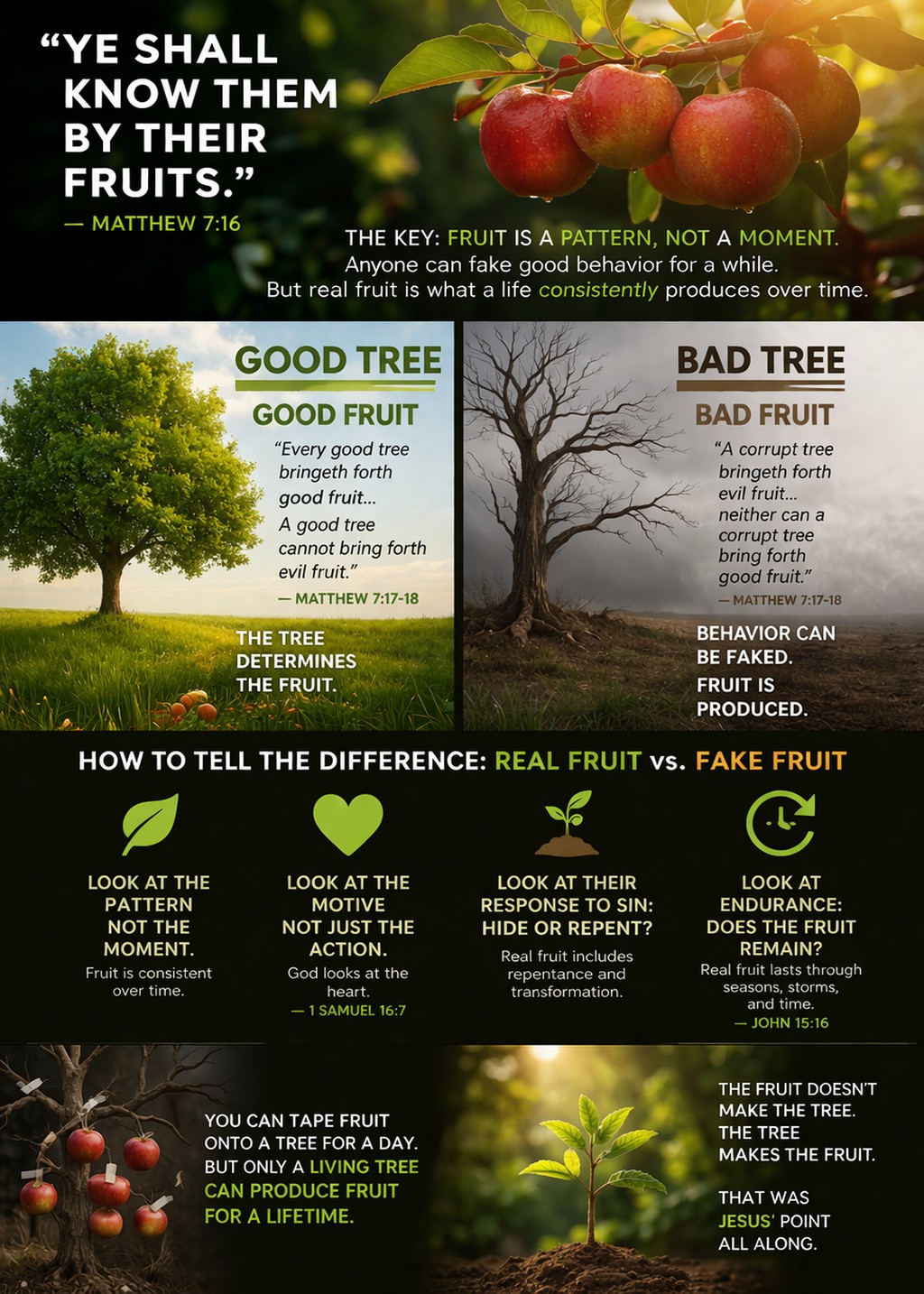
This is where many believers miss something important. The fruit of the Spirit is supernatural. Love, joy, peace, patience, gentleness, goodness, faith, meekness, and self-control are not qualities the flesh can manufacture. They are evidence of God’s work within us. Every time we choose to walk in those realities, we are living out something supernatural.
As I thought about the qualities children naturally display, I realized how closely they align with what the Spirit produces. Children trust, and faith restores trust. Children rejoice, and the Spirit restores joy. Children display humility, and meekness restores humility. Through the work of the Holy Spirit, God is slowly restoring things that sin, disappointment, and years of hardship have buried beneath the surface.
He is restoring wonder.
Childlike wonder, from a biblical perspective, is not pretending that suffering does not exist. It is not ignoring evil or escaping reality. Mature wonder understands that pain and brokenness exist but chooses to trust God anyway. It is the ability to see God’s goodness, appreciate simple blessings, delight in His creation, and live with gratitude even in a fallen world.
That wonder must be protected. The heart can easily become hardened by bitterness, pride, unbelief, cynicism, and a critical spirit. This is why believers must remain connected to Christ through prayer, Scripture, worship, and fellowship. Just as a gardener cultivates a garden, we must cultivate gratitude and continually remind ourselves of God’s faithfulness.
Wonder rarely disappears overnight. It is usually lost gradually over years. Likewise, it is often restored through small daily choices. Gratitude. Obedience. Worship. Prayer. Trust. Day after day, those choices shape the heart.
The Christian life is not merely about surviving until heaven. It is about God restoring His image within us right now. Through Christ, He gives us a new heart. Through the Holy Spirit, He changes our desires. Through daily obedience, He softens what life has hardened.
As we walk with Him, we begin recovering something we thought was gone forever—not childishness, but childlike wonder. Not naivety, but trust. Not ignorance, but joy.
The believer who walks closely with God often discovers that what was lost in Eden is already beginning to be restored.