Full Sermon Transcript
When I first became a husband and stepfather in my late thirties, I was suddenly thrown into the deep end of family life. Three kids who weren’t biologically mine—but they were mine. I rejected the word step, because that prefix carries a cold, legalistic edge: bound only by law, not by love. Parenting them meant learning something profound—guidance works better than constant prohibition. Telling children only what not to do stirs rebellion. But pointing them toward what is good gives them a vision worth chasing.
The same truth applies to our spiritual lives.
For decades, churches—especially during the “purity culture” movement of the 90s and 2000s—leaned heavily on don’ts. Don’t look. Don’t touch. Don’t go there. While well-intentioned, this approach unwittingly mirrored the very struggle Paul lamented in Romans 7: “For the good that I would I do not: but the evil which I would not, that I do”. Law awakens desire. Flesh rises to meet the forbidden.
But God never meant His children to live chained to the “don’ts.” Instead, He calls us to a greater focus: who we are in Christ, and what we should be doing. Paul shows us this in Romans 4 through Abraham’s story. Abraham wasn’t declared righteous by works, nor by ritual, nor by law—he believed God, and that faith was counted unto him for righteousness (Romans 4:3).
Notice the pattern of Abraham’s faith:
-
Faith Begins with God’s Word, Not Self.
Abraham didn’t conjure faith from within. He received a word from God: “I have made thee a father of many nations” (Romans 4:17). Real faith starts when God speaks. Too often, Christians try to hype themselves up with affirmations. But faith is anchored not in self-talk, but in God-talk. -
Faith Acknowledges Reality Without Denial.
Abraham was old. Sarah’s womb was barren. Yet he didn’t let those facts dictate the outcome. Faith doesn’t close its eyes to hardship; it looks hardship in the face and still says, “But God has spoken.” -
Faith Refuses to Stagger in Unbelief.
Abraham didn’t delay obedience waiting for his fears to subside. He trusted God even when circumstances screamed otherwise. -
Faith Strengthens by Glorifying God.
Worship fed his faith. Instead of magnifying the impossibility, he magnified the God who makes all things possible. -
Faith Ends Fully Persuaded of God’s Power.
Abraham’s journey concluded not with confidence in himself, but with absolute persuasion that God was able to do what He promised (Romans 4:21).
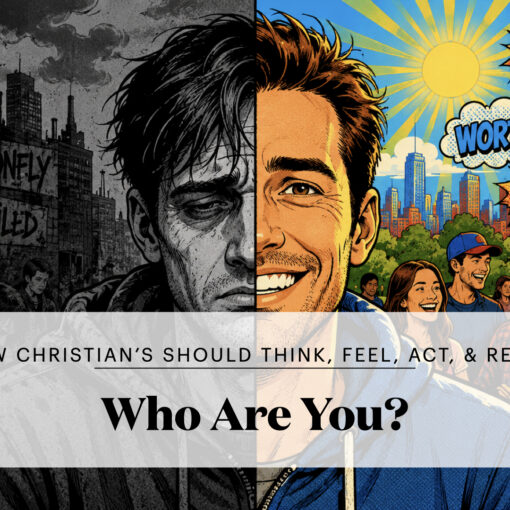
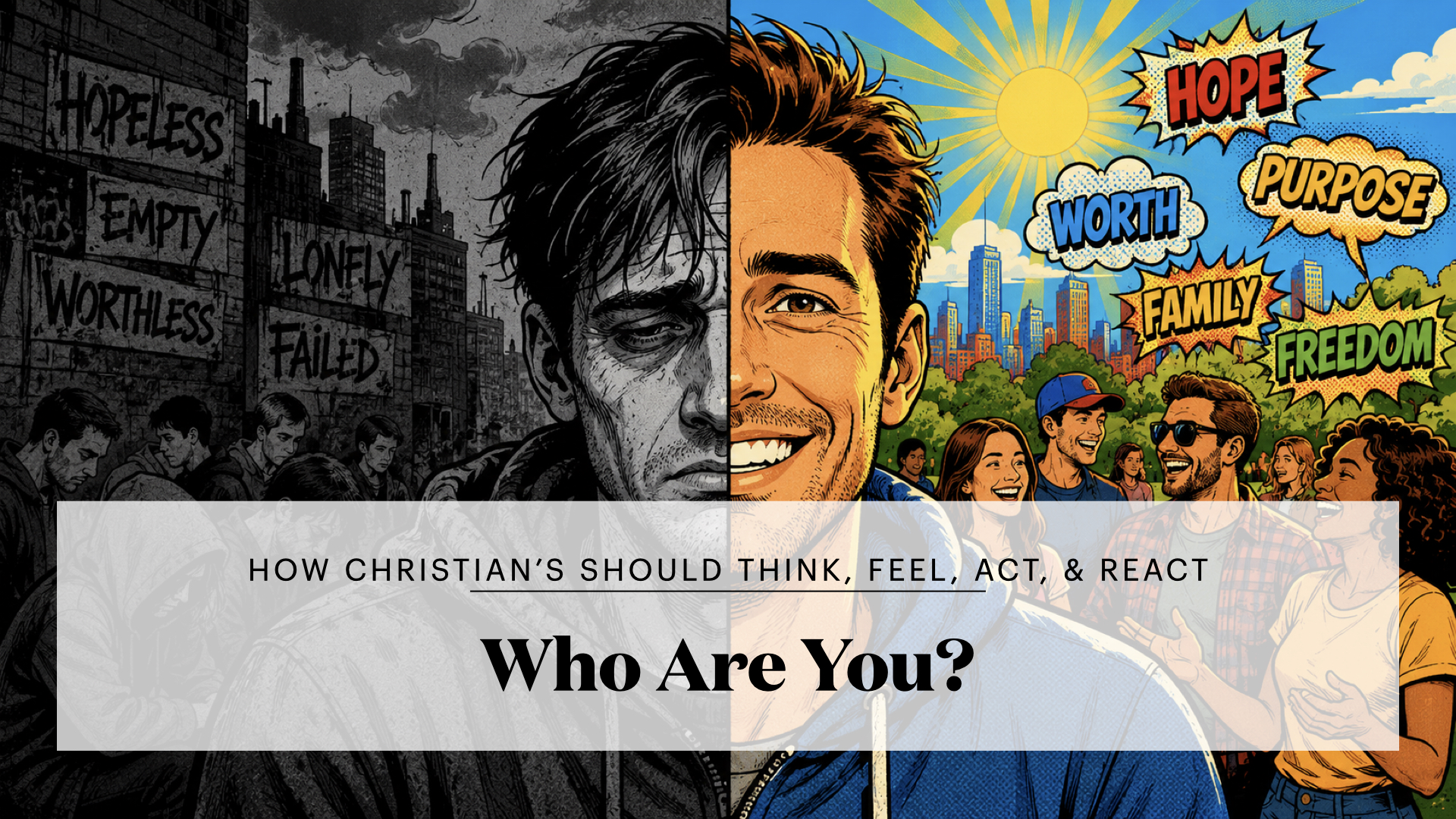
This is the way out of bondage. Whether it’s sexual sin, fear, doubt, financial struggle, or relational strife—the Christian’s victory lies not in a never-ending list of prohibitions, but in the promises of God.
The world says, “You are what you struggle with.” Scripture says, “You are a child of God” (Romans 8:16). The world says, “Follow your feelings.” The Spirit says, “Walk in the fruits of the Spirit” (Galatians 5:22–23). The world says, “Impossible.” God says, “Is anything too hard for the LORD?” (Genesis 18:14).
Abraham staggered not, and neither must we. Our righteousness is not in our works but in our belief. Faith is not wishful thinking; it is staking your life on the unshakable word of God. And when the world presses you with its evidence, you can say with Abraham: “I am fully persuaded.”
Because the gospel isn’t about what you must not do. It’s about the God who calls dead things to life, who speaks what is not as though it were (Romans 4:17). That’s not law. That’s freedom.